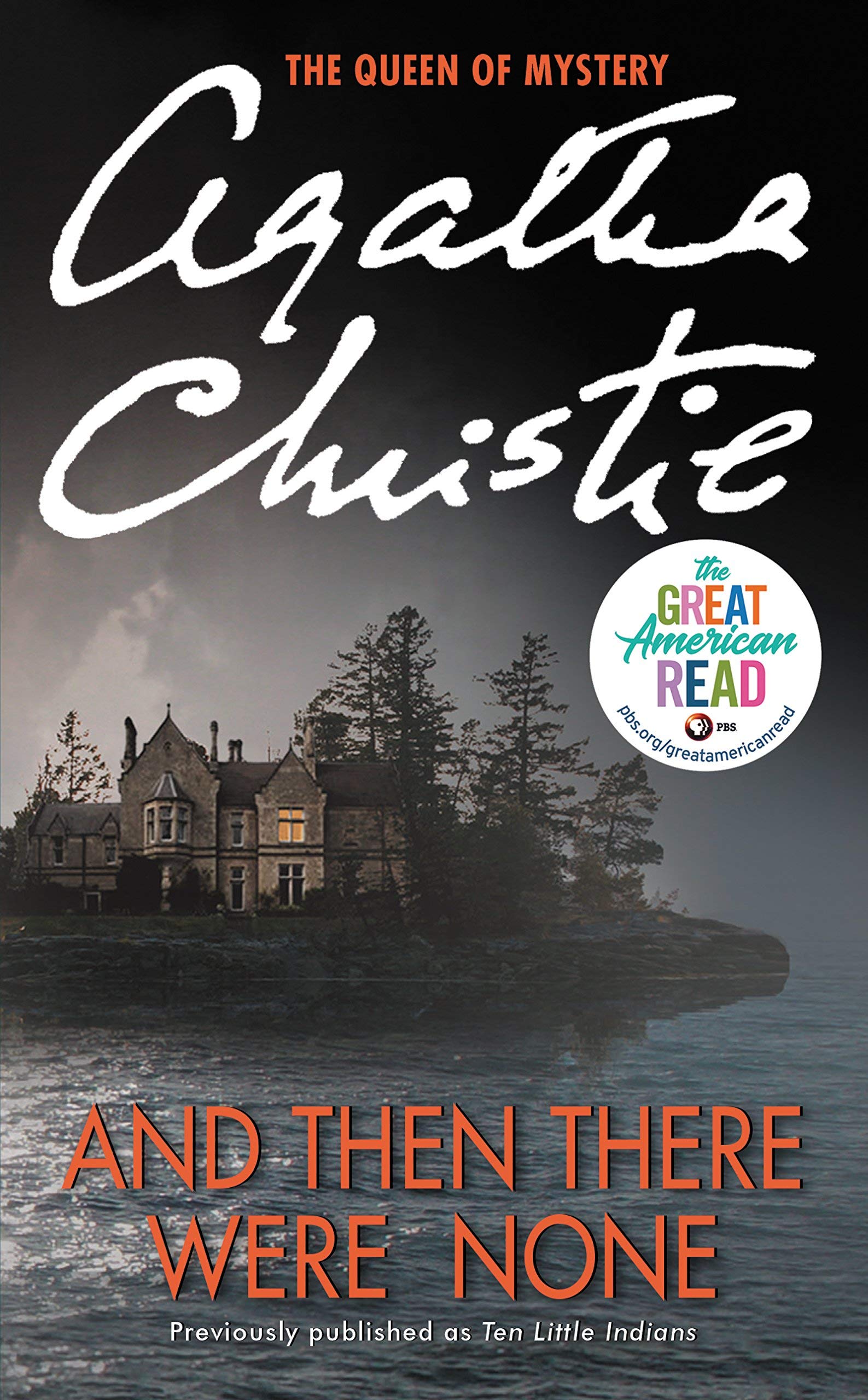
And Then There Were None
👤| Published | November 6, 1939 |
| Genre | Psychological Thriller, Mystery |
| Publisher | Collins Crime Club |
| Language | English |
| ISBN-10 | 0062073486 |
| ISBN-13 | 978-0062073488 |
📝My Honest Review: And Then There Were None
This is not just a mystery; it’s a nightmare. I’ve read a lot of Christie, but nothing else she wrote is this dark or this intense. Ten strangers are invited to an isolated island, and one by one, they are killed off according to a nursery rhyme. The genius here is that there is no Hercule Poirot to save the day—you are trapped on the island with the characters, watching their sanity unravel.
The pacing is perfect. Every time a character dies, one of the ten little soldier figurines on the dining table disappears. It creates this unbearable sense of "who is next?" The characters aren't likeable heroes; they are all people who have committed a "legal" murder in their past—crimes that the law couldn't touch. Seeing them forced to face their guilt while fighting for their lives is fascinating and terrifying.
I’ll admit, when I got to the last few pages and everyone was dead, I was completely baffled. I thought, "How is this possible?" The solution is hidden in a confession letter found in a bottle at sea, and it is the most brilliant, logical, and twisted reveal I’ve ever encountered in literature. It’s the kind of book that makes you want to immediately restart it from page one to see the clues you missed.
If you only read one mystery novel in your entire life, make it this one. It’s the gold standard of the genre.
⏱️ 1-Minute Summary (for busy readers)
Ten people, all strangers to each other, are invited to Soldier Island off the coast of Devon by a mysterious host named "U.N. Owen." During dinner, a recorded voice accuses each of them of a past murder they escaped punishment for. Panic sets in when the first guest drops dead from poison.
A storm cuts the island off from the mainland, and the guests are killed one by one in ways that mirror the "Ten Little Soldiers" nursery rhyme. As the numbers dwindle, the survivors turn on each other, convinced the killer is among them. In the end, all ten are dead, leaving the police with a crime that seems impossible to solve. The truth is eventually revealed: Judge Wargrave, dying of a terminal illness, faked his own death mid-way through to act as the "invisible" killer, seeking a final act of ultimate justice against those he deemed guilty.
💡 Key Ideas & Themes
🌱 Life Lessons / Takeaways
- Conscience is inescapable: You might run from the law, but you can never run from what you have done.
- Fear destroys logic: The characters' downfall was accelerated by their own paranoia and inability to trust each other.
- Justice is not a game: The killer’s desire for a "perfect puzzle" shows that obsession with justice can easily turn into psychopathy.
🎯 Who Should Read This?
- Everyone. It is a mandatory read for fans of any genre.
- Readers who love dark, psychological suspense.
- Mystery writers looking for a masterclass in plotting.
❌ Who Shouldn't?
- Readers who need a happy ending.
- Those who are very sensitive to themes of suicide or intense mental distress.
🔹 My Honest Rating
| ⭐ Rating (Story, Writing, Value) | 5.0 / 5 Flawless. There is a reason it has sold over 100 million copies. |
|---|---|
| 👍 What I Loved | The atmosphere of dread. Even when the sun is shining on the island, you feel like something is watching from the corners. |
| 👎 What I Didn’t Like | Honestly? Nothing. It is the one book I wouldn't change a single word of. |
| 😐 Overrated or Underrated? | Perfectly Rated. It is exactly as good as everyone says it is. |
| 🧠 What Changed My Thinking | It made me realize that a "detective" isn't always necessary to tell a great story. Sometimes the absence of a hero makes the mystery even more powerful. |
👤 Author Context (Behind the Scenes)
Why she wrote this book: Christie said this was the most difficult book she ever wrote. She had to plan the ten murders so perfectly that they could all be committed by one person while keeping the reader (and the other characters) in the dark.
Author’s mindset: Written just as World War II was beginning, the book reflects a darker, more cynical view of humanity than her earlier, lighter works. It deals with the idea that everyone has a "dark side."
Reception: It was an immediate sensation. It has been adapted dozens of times for film, TV, and stage. The 2015 BBC miniseries is widely considered the best modern adaptation if you want to see the book brought to life!
Discover Your Next Great Read
Handpicked recommendations from our collection of literary treasures

💬Discussions